Forced Air Cooling Transformers for Temperature Reduction & Higher Efficiency
Our intelligent forced air cooling transformers resolve overheating shutdown risks for Southeast Asian industrial sites. In summer temperatures over 38°C, standard transformers face poor heat dissipation, overheating trips and insulation degradation that halt production. Featuring auto temperature-controlled air cooling, the unit activates fans at the preset threshold to release internal heat. It runs stably under extreme heat and continuous full load, preventing overheating outages and extending service life. Free customized solutions for high-temperature industrial projects are available.
Low-noise Transformers for Residential & Commercial Areas
Strict noise rules for Southeast Asian residential, hotel, school and commercial zones often cause complaints over noisy standard transformers and delay project acceptance. Our low-noise transformers use optimized core and shock-absorbing structures to keep noise below 55 dB, running steadily without vibration or high-frequency noise. Energy-efficient, moisture and corrosion resistant, they suit urban civil and commercial projects. Enquiries welcome.
Custom Lightweight & Easy-to-Install Transformer Solution
We provide custom lightweight transformers for island projects in Indonesia and the Philippines. Compact for easy transport and installation without heavy lifting gear, IP66 salt-spray resistant to withstand high temperature and humidity. Ideal for island microgrids, infrastructure and aquaculture. Customization available.
Dry-Type Transformer vs Oil-Immersed Transformer
Southeast Asian buyers often struggle with transformer selection, where wrong choices cause extra costs and safety risks. Dry-type transformers suit indoor workshops, hotels and commercial spaces for their fireproof, oil-free and low-maintenance merits. Oil-immersed types are ideal for outdoor parks and high-power projects with good heat dissipation, strong overload capacity and lower cost. The manufacturer provides free tailored selection support; contact for technical proposals.
Wide Overload Transformers Accommodate Growing Loads
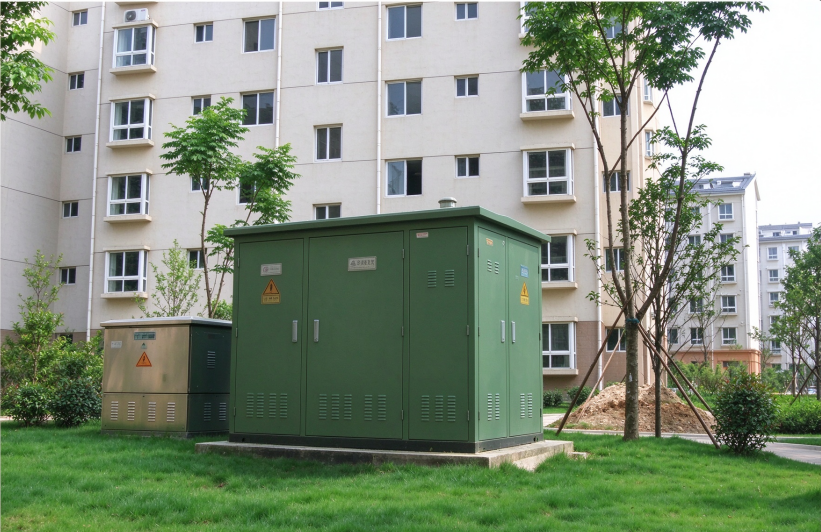
Southeast Asian factories often encounter overload tripping and expensive transformer replacement amid capacity expansion. Our wide‑duty overload transformers support 120%–150% short‑time overload to match phased load growth. Resistant to instantaneous load surges, they maintain stable operation with sufficient power margin. This one‑time solution cuts repeated distribution upgrade costs for expanding plants, with custom specs available.
Avoid 4 Major Risks in Cross-Border Transformer Sourcing
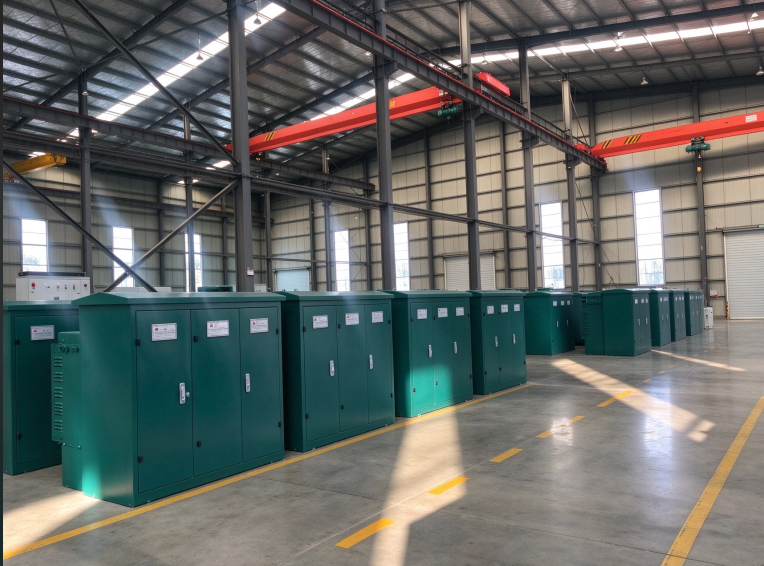
Overseas buyers often meet four key risks in cross-border transformer sourcing: non-compliant certifications, mismatched parameters, delivery delays and insufficient after-sales support, causing project rework and cost hikes. As an original manufacturer serving Southeast Asia, we are familiar with local grid codes, certifications and operating conditions. Our transformers meet TIS, SIRIM and SNI standards for 415V grids. Our large factory and stock ensure short lead times, backed by overseas service outlets. No middleman markup. One-on-one technical support delivers reliable sourcing. Contact us for cooperation.
Transformer Anti-Condensation Design Mitigates Electrical Hazards
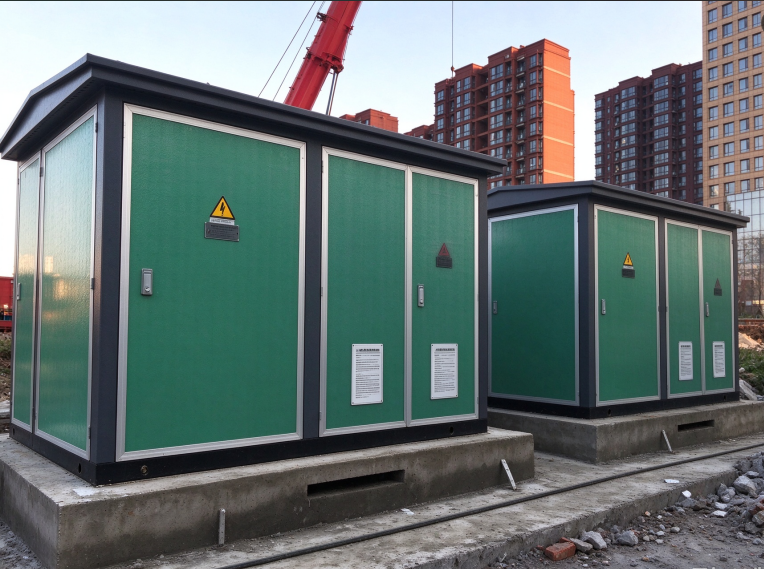
Frequent tripping troubles plague transformers in Southeast Asia’s rainy season due to high humidity and temperature fluctuations, which create internal condensation and risk insulation failure and production downtime. Our custom anti-condensation transformers adopt intelligent temperature & humidity dehumidification systems with PTC heating and fully sealed construction. The dual internal and external protection stops moisture buildup, eliminates condensation-related faults and guarantees stable power supply for factories under humid, rainy working conditions across Southeast Asia.
24/7 Non-Stop Production!
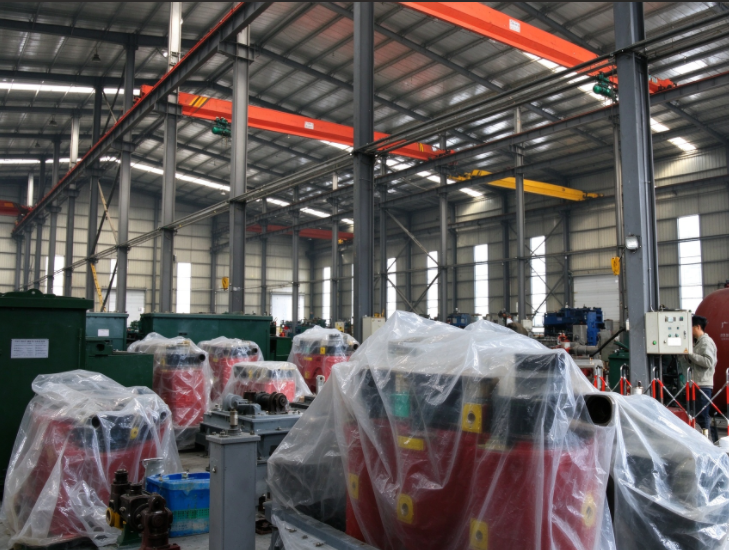
Tailored for Southeast Asian industrial parks with 24/7 full-load production, our IE3 high-efficiency low-loss transformers adopt high-grade silicon steel sheets and quality windings to cut no-load and load losses. They run stably with controlled temperature rise, avoiding overheating trips and burnout. Significant annual power savings enable payback in 1–3 years, making them ideal for industrial procurement. Reach out for energy-saving evaluation.
Why Do Transformers Have Double the Service Life?
Identical transformers show a huge gap in service life between China and Southeast Asia, mainly due to mismatched insulation classes for local operating conditions. Standard Class F insulation ages fast in Southeast Asia’s hot and humid climate. Models tailored for the region use 180°C Class H insulation and vacuum impregnation, ensuring stable insulation, longer lifespan and lower failure risks under high-temperature, high-humidity environments. Technical consultation is available upon request.