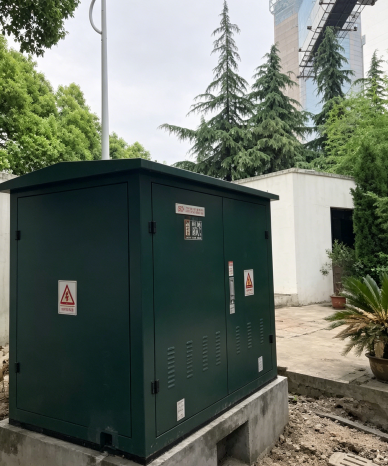
Transformer Installation in Southeast Asia
In the complex operating conditions of Southeast Asia characterized by high temperature, high humidity, severe salt spray corrosion and frequent dust pollution, minor carelessness during transformer installation may lead to major hidden dangers. Many projects cut corners to speed up construction, falling into pitfalls including unstable foundations, non-standard wiring and inadequate protection. Such issues may at minimum cause equipment overheating and tripping, or in severe cases result in short circuits and burnout, drastically shortening service life. This full-process pitfall avoidance guide covers all stages from foundation casting to wiring completion, addresses frequently encountered installation errors, and provides step-by-step standardized construction procedures to ensure long-term stable operation of transformers.I. Pitfalls in Foundation Casting: Prioritizing Speed Over Quality, Leading to Irreparable Hidden Dangers LaterCommon PitfallsInsufficient concrete strength, undersized foundation dimensions, lack of drainage slopes and moisture-proof layers; misaligned embedded anchor bolts forcing uneven stress on the base during fastening; absence of anti-corrosion treatment in coastal areas causing rapid rusting and cracking of the foundation.Standard Operating SpecificationsAdopt concrete of grade C30 or higher; make the foundation dimension 1.2 times larger than the equipment base; set a drainage slope of no less than 3% to eliminate rainwater accumulation in rainy seasons; precisely position embedded anchor bolts and reinforce via secondary grouting; coat the base with anti-corrosion paint and lay waterproof coiled materials in salt-spray-prone regions to establish a solid foundation for the equipment.II. Pitfalls in Equipment Positioning: Random Placement Ignoring Details, Aggravating Operating LossesCommon PitfallsDirect installation without insulating gaskets, uneven bolt tightening resulting in cabinet deformation; no shock-absorbing pads fitted, causing loose bolts and oil leakage after long-term operation; installation near dust sources and heat sources, severely compromising heat dissipation and protection performance.Standard Operating SpecificationsFit epoxy insulating gaskets on the base; tighten bolts evenly in diagonal sequence in multiple passes with lock nuts equipped; install spring shock absorbers for heavy-duty models; select installation locations away from dust sources and windward salt-spray surfaces, and reserve sufficient heat dissipation clearance.III. Pitfalls in Wiring and Earthing: Negligence of Details Triggering Safety AccidentsCommon PitfallsLoose cable connections and poor crimping causing heat generation; earthing connected to the cabinet shell instead of dedicated terminals with excessive earthing resistance; absence of waterproof cable bends allowing rainwater infiltration along cables and triggering short circuits.Standard Operating SpecificationsUse hydraulic crimped copper lugs and apply conductive paste on contact surfaces; lay separate earthing flat steel connected to dedicated earthing bolts to guarantee an earthing resistance of ≤4Ω; fit sealed joints on high and low voltage bushings and form drip loops on all cables to prevent rainwater backflow.IV. Pitfalls in Final Commissioning: Skipping Inspection Before Energization, High Risks of Defective OperationCommon PitfallsDirect switching on without insulation and withstand voltage tests; commissioning parameters not adjusted to match local altitude and salt-spray conditions.Standard Operating SpecificationsComplete insulation resistance and DC resistance tests before energization; adjust parameters according to operating conditions for high-altitude and coastal projects; only power on after passing acceptance inspection.
Leave a Comment