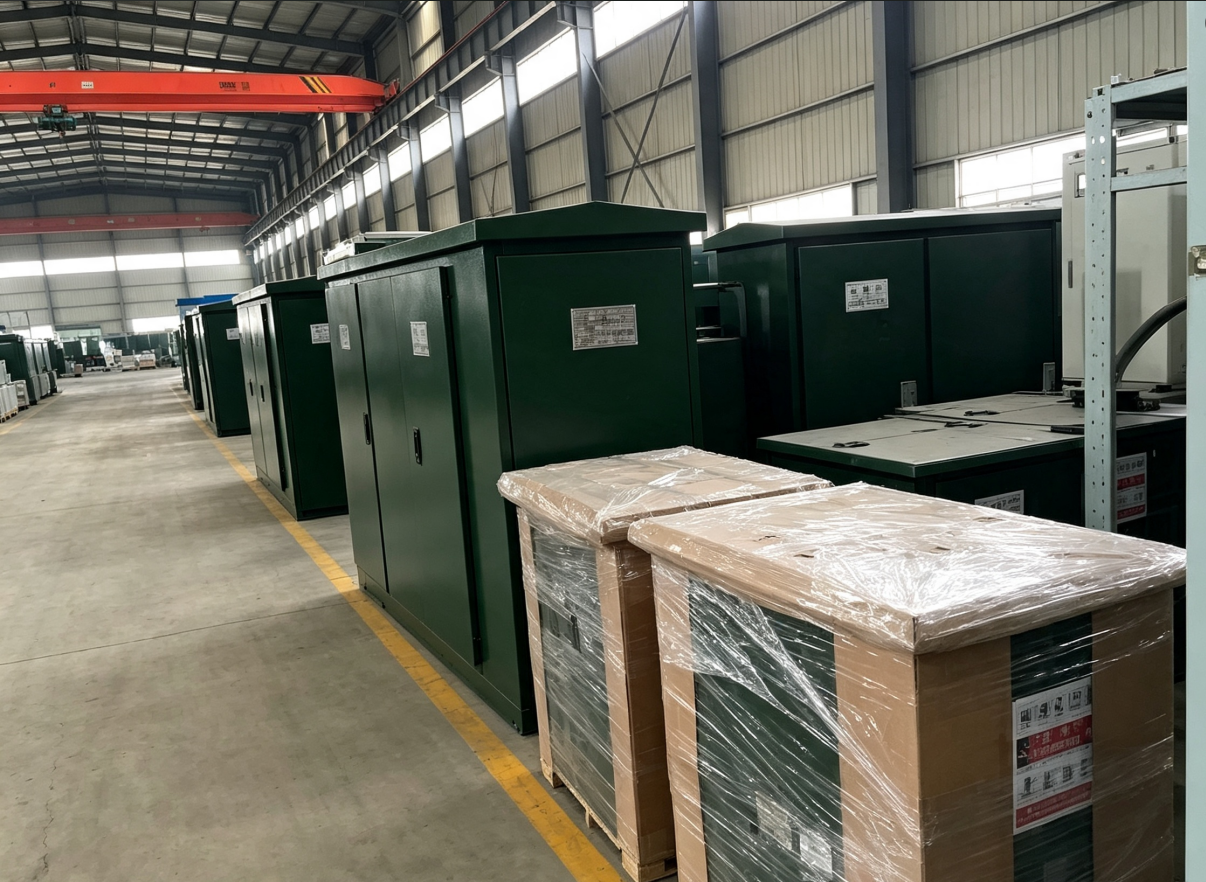
Transformer Inventory Control in Southeast Asia
Against the backdrop of booming infrastructure and manufacturing industries across Southeast Asia, demand for transformers has surged drastically. The capability to deliver within short lead times and fulfill emergency orders has evolved into a core competitive edge for original equipment manufacturers (OEMs). For project developers, stock shortages tend to delay construction schedules, while excessive inventory inflates costs. Striking a balance between inventory levels and supply efficiency has become pivotal for manufacturers seeking growth, and also serves as vital support for the smooth progress of power engineering projects throughout Southeast Asia.
To deliver promptly and cater to urgent orders, manufacturers must establish a scientific inventory management system. Following the philosophy of rolling inventory activation and targeted backlog reduction, manufacturers streamline stocked product lines and prioritize stocking general-purpose transformers. Meanwhile, closer ties are forged with upstream and downstream partners to collect project demands in advance, preventing stockouts of commonly used materials and overstocking of rare components. Adopting an AI-powered inventory management system optimizes inventory turnover, shortens material circulation cycles, cuts inventory costs, and guarantees timely delivery.
A robust collaborative supply chain acts as an indispensable safeguard. Manufacturers should maintain stable partnerships with core component suppliers and secure critical raw materials such as coils and iron cores beforehand to prevent production halts caused by material shortages. Furthermore, a cross-regional inventory allocation system with shared inventory data needs to be established. In response to sudden project demands in Southeast Asia, inventory from different regions can be rapidly deployed to satisfy emergency supply requirements efficiently.
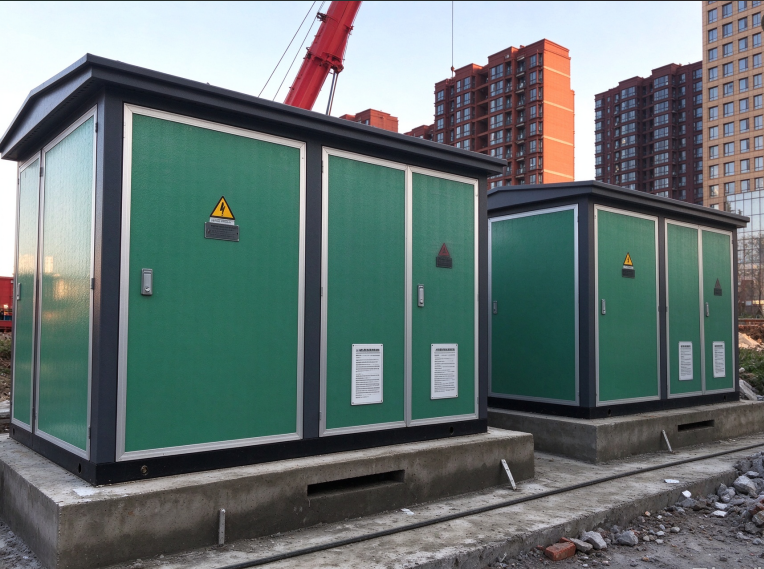
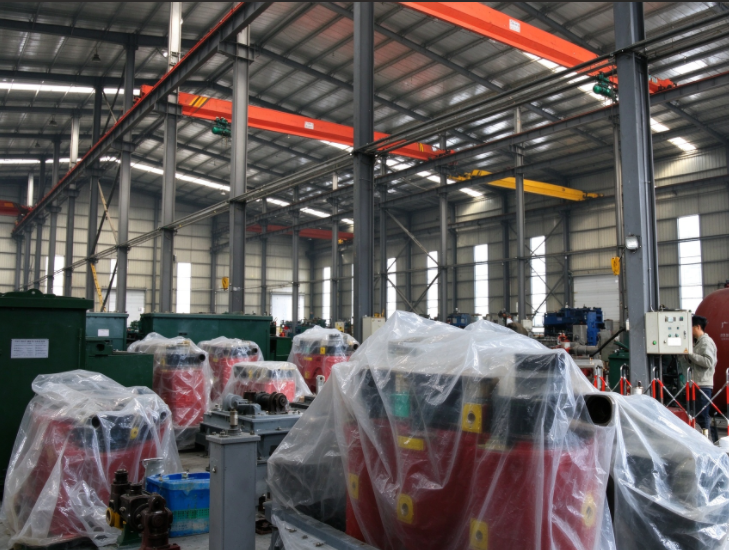
In addition, manufacturers need to refine production and warehousing workflows, standardize warehouse layout, mark materials clearly, and enforce the first-in, first-out (FIFO) principle to avoid stagnant inventory. Customized models adapted to Southeast Asia’s high-temperature, salt-laden harsh operating environments shall be pre-stocked. Paired with professional logistics teams, emergency orders can be delivered swiftly. This approach avoids the risks of inventory overstocking, efficiently meets urgent supply needs from various projects, and achieves dual improvements in inventory profitability and supply efficiency.
Leave a Comment