Transformer Anti-Condensation Design Mitigates Electrical Hazards
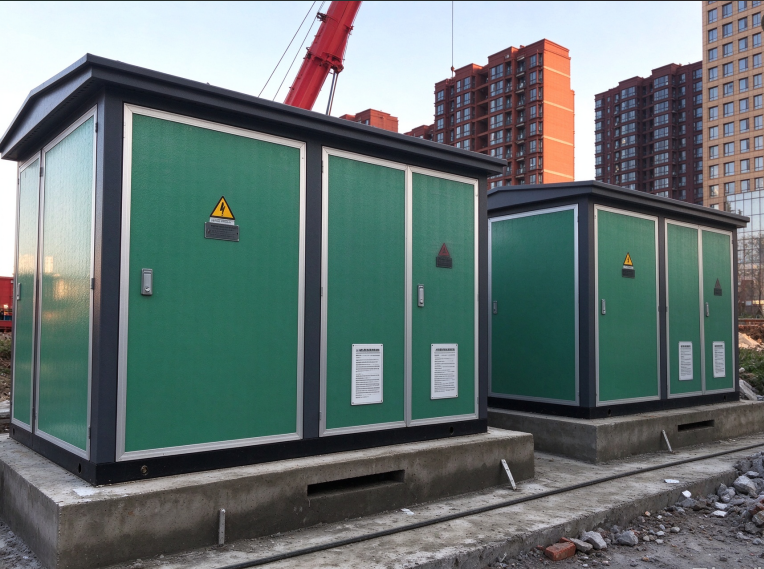
Frequent tripping troubles plague transformers in Southeast Asia’s rainy season due to high humidity and temperature fluctuations, which create internal condensation and risk insulation failure and production downtime. Our custom anti-condensation transformers adopt intelligent temperature & humidity dehumidification systems with PTC heating and fully sealed construction. The dual internal and external protection stops moisture buildup, eliminates condensation-related faults and guarantees stable power supply for factories under humid, rainy working conditions across Southeast Asia.
24/7 Non-Stop Production!
Tailored for Southeast Asian industrial parks with 24/7 full-load production, our IE3 high-efficiency low-loss transformers adopt high-grade silicon steel sheets and quality windings to cut no-load and load losses. They run stably with controlled temperature rise, avoiding overheating trips and burnout. Significant annual power savings enable payback in 1–3 years, making them ideal for industrial procurement. Reach out for energy-saving evaluation.
Why Do Transformers Have Double the Service Life?
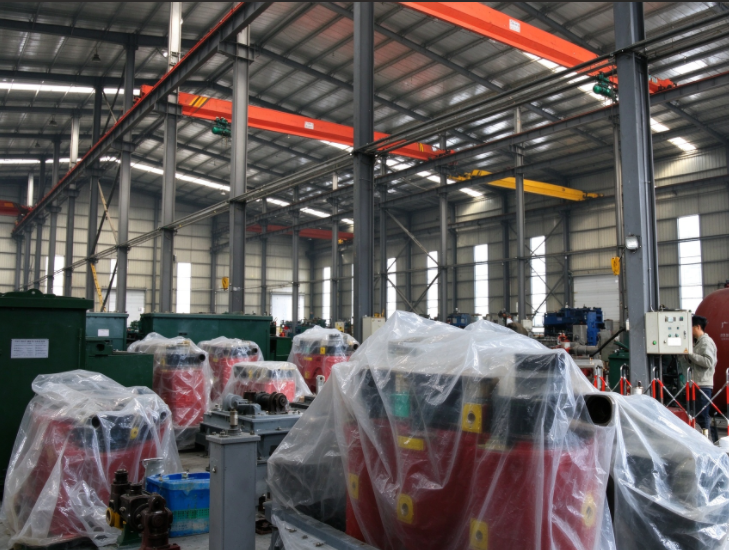
Identical transformers show a huge gap in service life between China and Southeast Asia, mainly due to mismatched insulation classes for local operating conditions. Standard Class F insulation ages fast in Southeast Asia’s hot and humid climate. Models tailored for the region use 180°C Class H insulation and vacuum impregnation, ensuring stable insulation, longer lifespan and lower failure risks under high-temperature, high-humidity environments. Technical consultation is available upon request.
Small Factories Don’t Need Large Equipment!
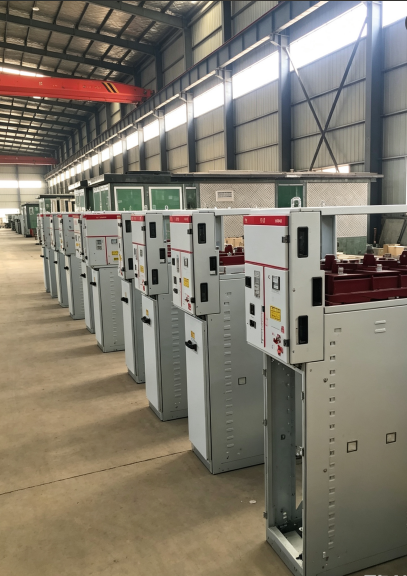
Our 50–315kVA compact energy-saving transformers are designed for Southeast Asian small processing plants, shops and homestays. Ideal for low-load scenarios, they cut no-load loss with simple maintenance and affordable cost. Free selection & quotation service available.
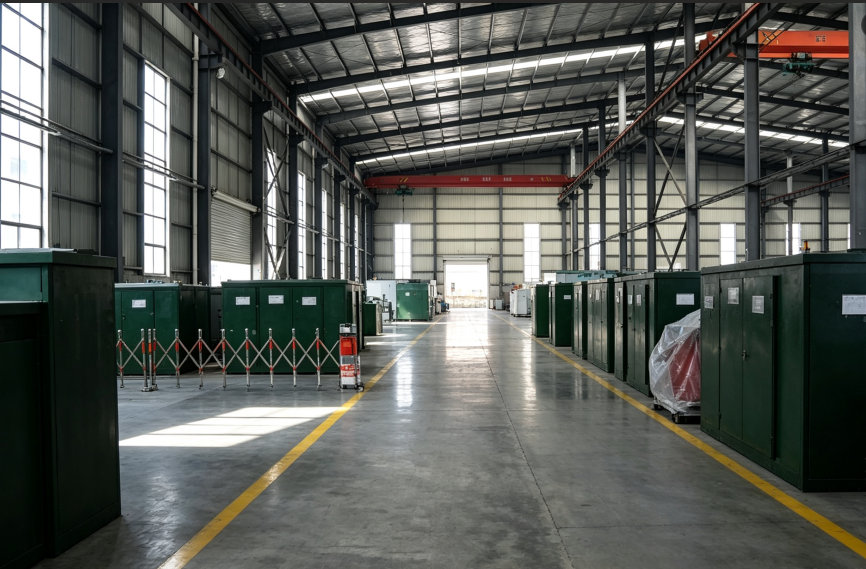
Custom Anti-Corrosion Solution for Coastal Factory Transformers
Our custom anti-corrosion transformers address salt spray rust and leakage for coastal projects in Thailand, Malaysia, Philippines and Vietnam. With 316 stainless steel fasteners and fluorocarbon coatings, they pass thousand-hour salt spray tests to cut maintenance costs. Contact us.
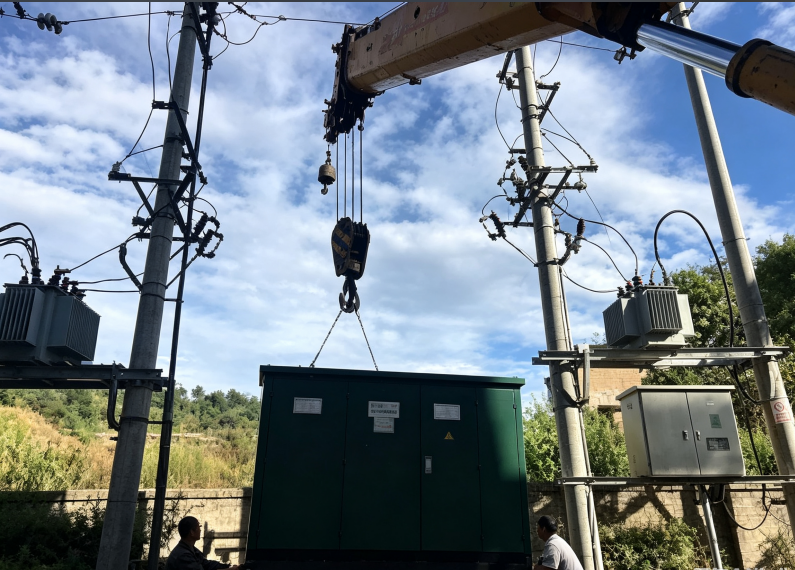
Why Hermetically‑Sealed Transformers Are Preferred for Southeast Asian Markets
Southeast Asia’s long rainy seasons and high humidity over 85% expose open‑type and semi‑sealed transformers to moisture, dust and salt‑spray risks, which may trigger insulation degradation and electrical faults. Hermetically‑sealed transformers with premium gaskets effectively block harsh environmental intrusion, reduce maintenance work, fit local outdoor working conditions, and offer longer service life with high reliability and low O&M costs, making them ideal for long‑run projects in Southeast Asia.
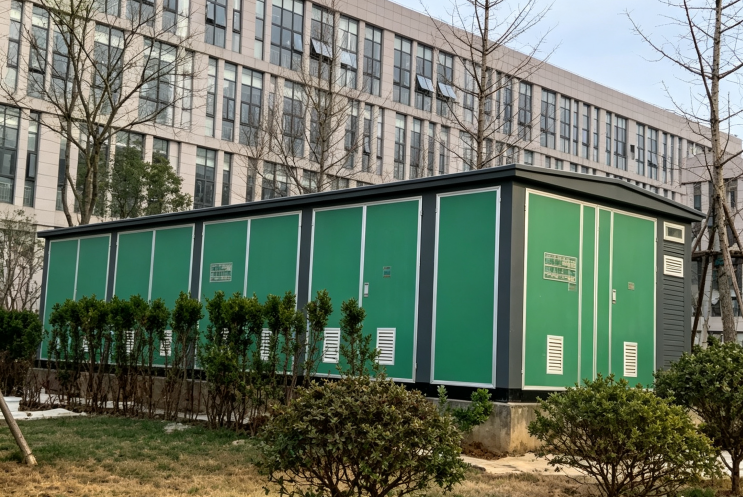
Voltage‑Stabilized Transformer Solution for Southeast Asian Factories
Southeast Asian regions often suffer severe grid voltage fluctuations, which can cause output imbalance in ordinary transformers and result in damage to motors and precision equipment. Our specially‑adapted voltage‑stabilized transformers support ±10% wide‑range voltage regulation and provide stable 415V output. With excellent shock‑resistance and anti‑fluctuation performance, they ensure reliable operation for plant‑wide equipment without extra external stabilizers. Suitable for industrial and commercial applications, custom solutions are available upon request.
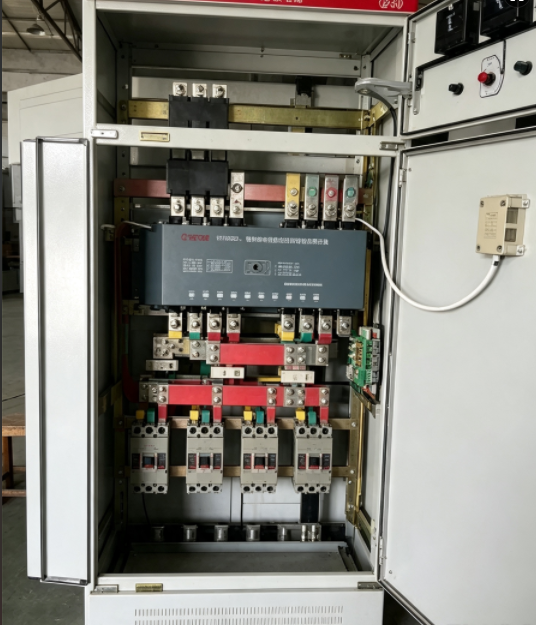
Transformer Selection Parameters for Malaysia
Transformer procurement for Malaysian industrial and power projects needs to match local 415V/50Hz grid standards with mandatory Dyn11 connection and SIRIM certification. Designs shall fit tropical high‑temperature, high‑humidity and dusty environments via proper insulation, protection grades and reasonable capacity margin. Users may choose copper or aluminium windings according to runtime, and isolation transformers with surge protection are recommended for reliable local operation.
Transformer Recycling & Reuse in Southeast Asia
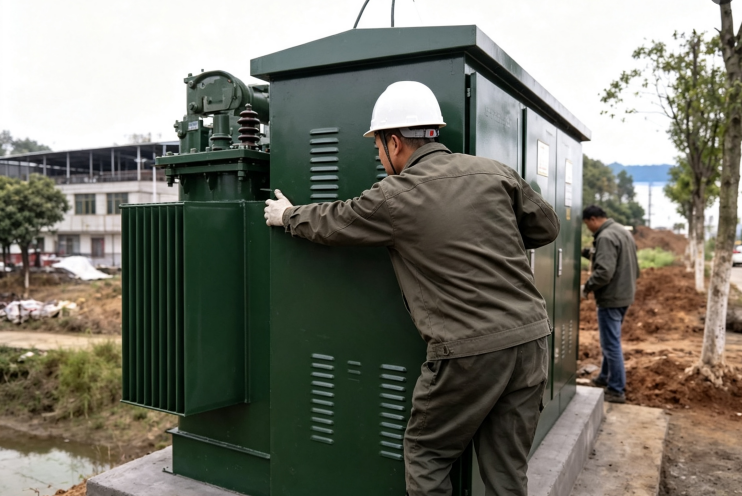
Southeast Asia’s manufacturing and grid modernization produce massive end‑of‑life transformers. Non‑standard disposal leads to heavy fines and environmental contamination, driving demand for regulation‑compliant recycling schemes. Countries including Thailand have implemented EU‑referenced e‑waste regulations featuring Extended Producer Responsibility (EPR). Qualified processors must safely manage hazardous waste such as waste transformer oil. Proper disassembly enables high‑efficiency recovery of copper and iron, alongside harmless treatment for oil‑filled transformers to prevent secondary pollution. Such recycling mitigates compliance risks, reduces costs via resource regeneration, and advances the region’s green circular economy.