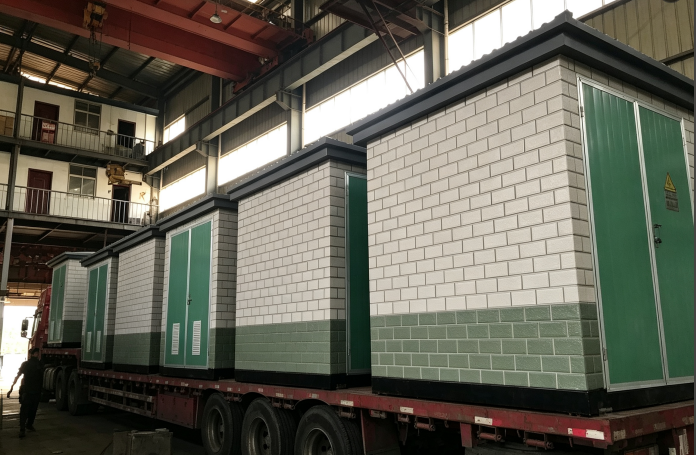
Grid Connection Technical Requirements for Renewable Energy Transformers
The Philippines is vigorously developing photovoltaic (PV) and wind power projects. Constrained by scattered island power grids, intermittent power generation, and hot, humid, salt-laden operating environments, supporting transformers must satisfy three core requirements: grid compliance, environmental adaptability, and stable grid interconnection. Failure to comply with the Philippine Grid Code (PGC) and ERC regulations will directly result in grid connection rejection and project delays. Strict adherence to technical standards is critical to project implementation.
I. Basic Electrical and Grid Connection Compliance Requirements
Transformers shall conform to the Philippine Grid Code, IEC and IEEE standards. The system rated frequency is 60 Hz, with allowable voltage fluctuation of ±10% and frequency deviation within ±0.5 Hz.
Transformers shall be equipped with Low Voltage Ride-Through (LVRT) capability to avoid off-grid disconnection during grid voltage drops. Short-circuit impedance shall be controlled between 4% and 8% to match grid short-circuit capacity and mitigate fault impacts.
Stringent power quality compliance is mandatory: Total Harmonic Distortion (THD) < 5%, power factor ≥ 0.95. The equipment shall support dynamic reactive power regulation to stabilize power fluctuations, harmonics and voltage unbalance, meeting acceptance criteria set by the National Grid Corporation of the Philippines (NGCP).
II. Differentiated Design Requirements for PV and Wind Power Applications
Transformers for PV Power Plants
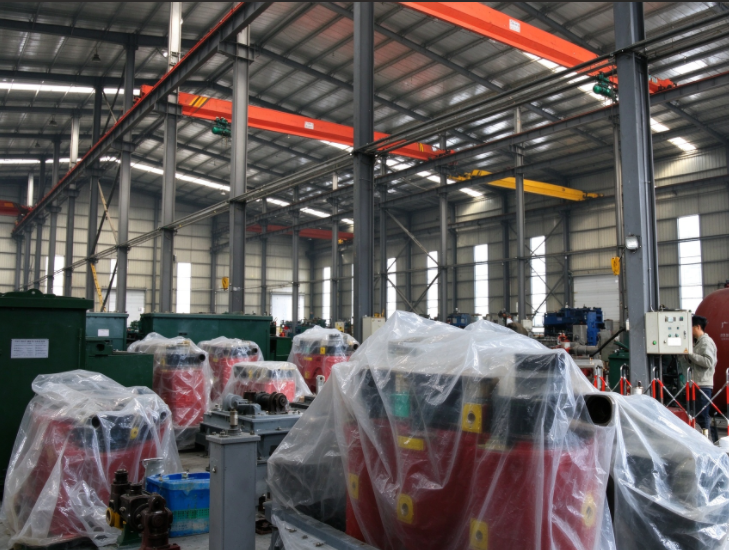
Designed to accommodate wide load fluctuations, energy-efficient oil-immersed or dry-type isolation transformers shall be adopted, with 5%–10% capacity redundancy reserved to handle peak solar irradiance. Windings shall adopt vacuum impregnation technology to enhance insulation temperature resistance, adapting to day-night temperature swings and long-term full-load operation.
Transformers for Wind Power Plants
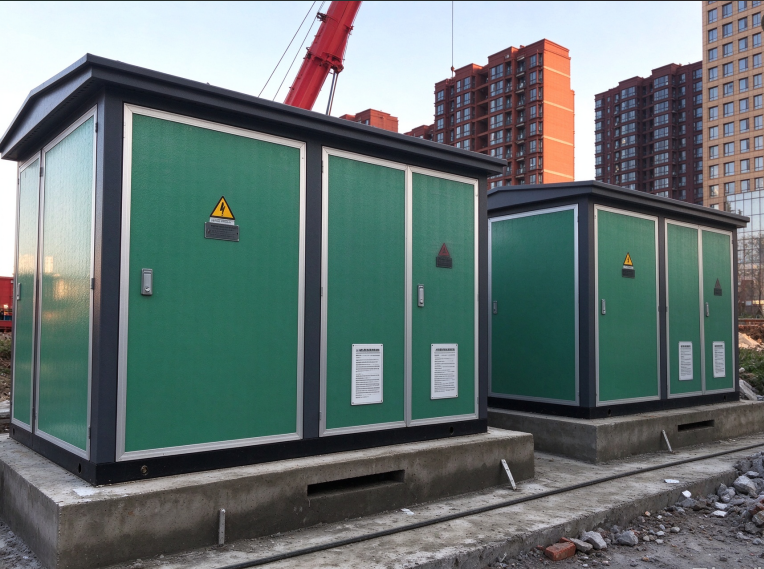
To address frequent startup/shutdown and abrupt load variations, short-circuit resistant and impact-resistant transformers shall be selected with 10%–15% capacity redundancy. For coastal wind farms, corrosion protection grade shall be upgraded, featuring fully sealed enclosures and anti-salt-fog coatings to resist sea breeze erosion and slow insulation aging.
III. Protection, Monitoring and Environmental Adaptability Requirements
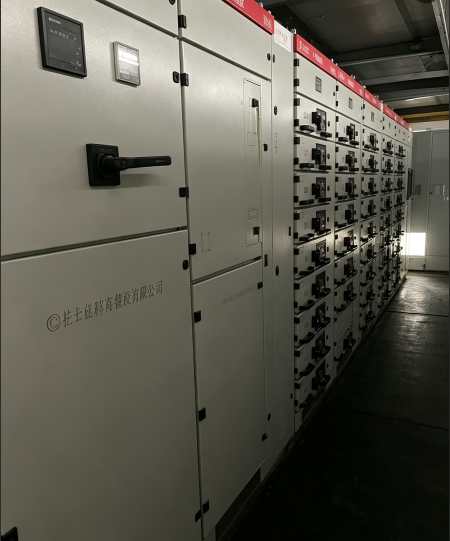
The transformer shall be fitted with protection devices against overload, short circuit, over-temperature, lightning strikes and islanding, enabling rapid circuit disconnection upon grid outage to ensure operational safety. Remote monitoring shall be supported via built-in communication modules for real-time upload of operating parameters, complying with NGCP dispatching and control requirements.
Environmental adaptability specifications: Equipment deployed in high-temperature, high-humidity and salt-fog zones shall achieve an ingress protection rating of IP55 or higher, with enclosures engineered for anti-condensation performance. For island projects, heat dissipation structures shall be optimized to balance heat dissipation and corrosion resistance, extending service life and cutting maintenance frequency.
IV. Core Key Points for Grid Connection Acceptance
Complete test reports covering insulation, voltage withstand, transformation ratio and harmonic suppression shall be supplied with the equipment. Grounding resistance shall be ≤ 4 Ω. Grid joint commissioning shall be completed to verify performance including voltage regulation, reactive power compensation and fault ride-through. Full compliance with all test items is a prerequisite for obtaining grid interconnection approval.
Leave a Comment