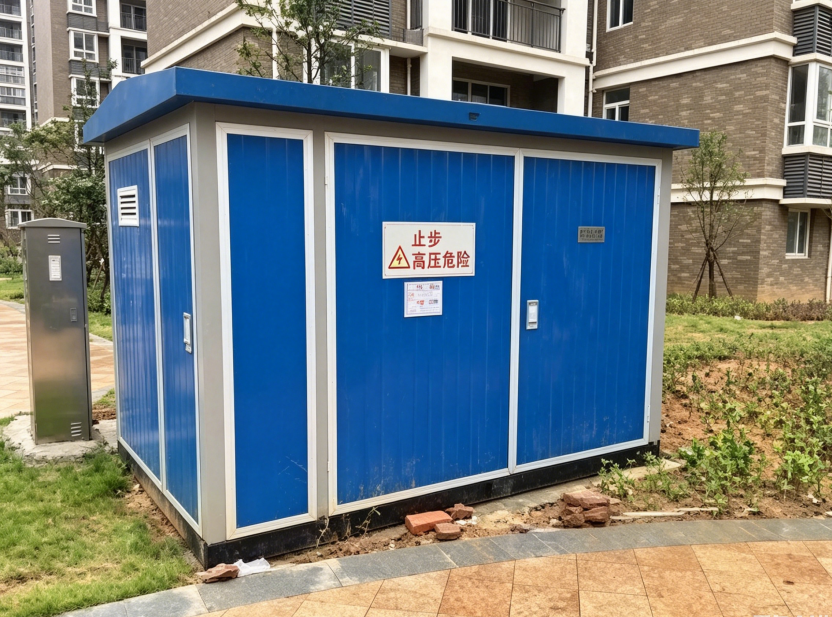
SEA Transformer Winding Selection
Windings serve as the core conductive components of transformers. Their material directly determines equipment performance, service life and capital investment. Operating conditions across Southeast Asia are complex, with copper and aluminum windings each presenting distinct advantages and drawbacks. The optimal solution must be selected by balancing performance, cost and engineering demands, with full consideration of local high temperature & high humidity, salt spray corrosion and load characteristics.
I. Core Performance Differences Between Copper and Aluminum Windings
Copper windings feature high electrical conductivity, low power loss and strong overload capacity, alongside outstanding mechanical strength and salt spray corrosion resistance, making them suitable for harsh operating environments. However, copper boasts a high unit price and density, driving up upfront costs for equipment procurement, transportation and installation.
Aluminum windings deliver prominent advantages in procurement and logistics costs thanks to their low material price and lightweight nature. Nevertheless, aluminum is mechanically soft with weak short-circuit withstand capability and slightly higher power loss. It is prone to oxidation under hot, humid and salt spray conditions, requiring enhanced sealing and anti-corrosion design.
II. Scenario-Based Selection to Cut Costs and Boost Efficiency per Engineering Needs
Prioritize Copper Windings for:
Factories operating 24/7, data centers, new energy grid-connected projects, as well as coastal sites exposed to salt spray and high-dust industrial parks. Such projects demand superior stability and low power loss. Though the initial investment is higher, the total costs of maintenance and power consumption over the full service lifecycle are more economical.
Prioritize Aluminum Windings for:
Temporary power distribution with light and intermittent loads, rural basic power supply, and small inland commercial premises. For standard projects with constrained budgets and manageable maintenance, aluminum windings paired with anti-corrosion sealing design can significantly reduce upfront expenditure.
III. Special Adaptation Guidelines for Southeast Asian Operating Conditions
Units with aluminum windings must adopt fully sealed protection, vacuum impregnation and anti-corrosion coatings to block ingress of salt spray and moisture. While copper-wound transformers allow simplified protective measures, basic anti-corrosion treatment is still mandatory for coastal deployment. Aluminum-wound models require an additional 10%–15% capacity margin to compensate for their insufficient overload tolerance.
IV. Key Selection Summary
Copper windings excel in high performance, extended service life and low power loss, catering to long-term, harsh-duty applications. Aluminum windings stand out for low upfront cost and light weight, suited for light-load projects with tight budget limits. When selecting winding materials for Southeast Asian markets, total lifecycle cost analysis rather than purchase price alone shall be adopted to strike an ideal balance between performance and expenditure.
Leave a Comment