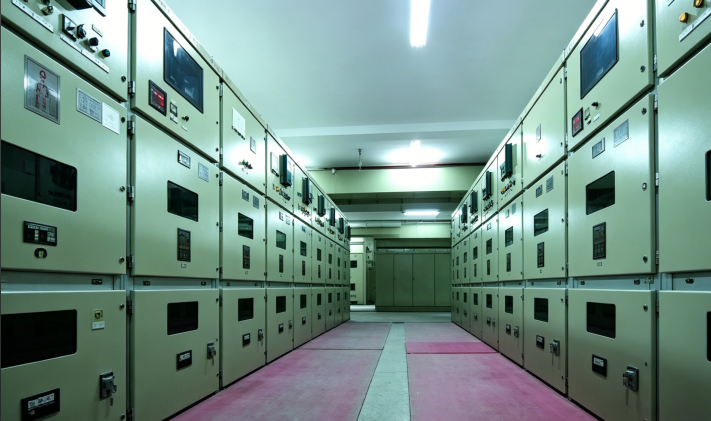
Stabilizer & Transformer Matching
Core Matching Principle
Transformers handle voltage conversion, while voltage stabilizers focus on voltage regulation. The two devices perform distinct functions and complement each other’s limitations. First, the transformer steps up or steps down the input voltage to match the rated power requirements of electrical equipment. Then the stabilizer dynamically corrects voltage deviations, limiting fluctuation within a safe range and preventing equipment damage from overvoltage breakdown or undervoltage shutdown.
Scenario-based Selection & Matching Tips
Residential & Small Retail Spaces: Pair electronic voltage stabilizers with standard distribution transformers. This combination features compact size and low cost, ideal for minor daily voltage fluctuations.
High-power Facilities (Factories, Hotels, Data Centers): Use high-power compensation-type voltage stabilizers together with heavy-duty transformers. Reserve 15%–20% extra power capacity to withstand instantaneous high-voltage surges.
Islands & High Salt-fog Areas: Adopt corrosion-resistant models with enhanced sealing protection to extend the service life of equipment.
Operational Guidelines
Follow the transformer first, stabilizer second wiring sequence, and ensure proper circuit connection and standard grounding.
Equip the system with overload and leakage protection devices to prevent reverse breakdown of electrical units.
Regularly test input and output voltage, and clean dust from equipment. Conduct thorough inspections in advance during rainy seasons and peak electricity consumption periods in Southeast Asia to eliminate potential risks and ensure round-the-clock stable power supply.
Leave a Comment