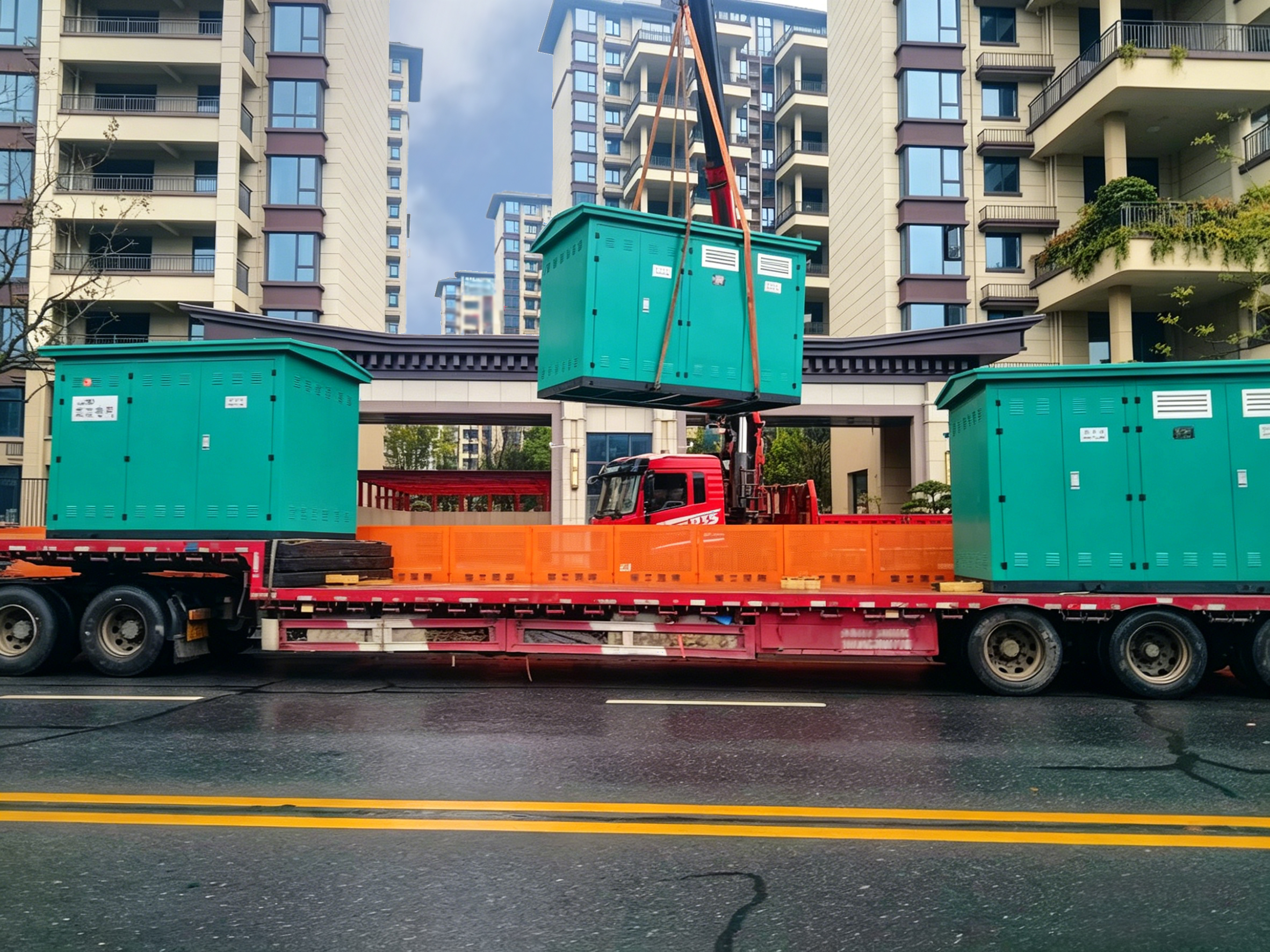
Differences Between IEC Standards and Southeast Asian Local Standards: Precautions for Transformer Parameter Matching
While Southeast Asian power grids are based on IEC international standards, localized differences have emerged due to climate conditions, grid structures, and regulatory requirements. Directly applying IEC parameters often leads to issues such as certification failure and grid non‑connection. Accurate alignment with local standards is critical for the smooth deployment of equipment.
Voltage levels, vector group connections, and insulation protection represent the most critical discrepancies. IEC specifies a common low voltage of 380V, whereas many Southeast Asian countries adopt 415V with wider grid voltage fluctuations. Dyn11 vector group connection is mandatory across local power grids, making the conventional Yyn0 scheme incompatible. Furthermore, due to high temperatures, high humidity, and salt‑fog environments, local requirements for insulation class, ingress protection (IP) rating, temperature rise, and corrosion resistance are generally stricter than IEC specifications.
IEC test reports serve only as a foundation and must be supplemented with local certification and formatting requirements. Market access to Thailand, Malaysia, Indonesia, Vietnam, the Philippines, and other economies requires respective mandatory certifications including TIS, SIRIM, SNI, TCVN, and PNS. Nameplates, test items, and inspection reports must comply with local specifications. Only by taking IEC as the baseline and fully adapting to local standards can enterprises achieve compliant market access and stable operation.
Leave a Comment