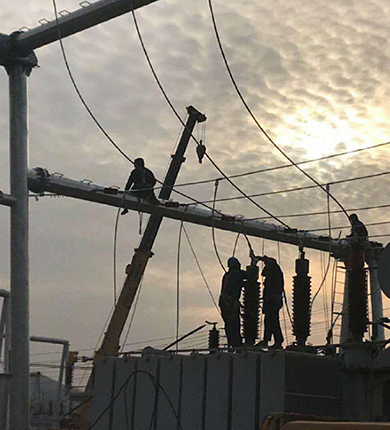
Practical Guide to Box-type Transformer Selection
As manufacturing hubs, Southeast Asian industrial parks feature concentrated and highly variable power loads, alongside harsh environments such as high temperatures, humidity, salt spray, and dust. Due to their compact size and easy installation, box-type transformers have become core distribution equipment in these parks. Industry statistics reveal that approximately 40% of power distribution failures in the region stem from improper transformer selection or capacity miscalculations, directly causing equipment overload, power outages, and disruptions to park operations. Mastering scientific selection and capacity calculation methods is crucial for ensuring stable power supply and reducing operational costs.
1.Accurate Selection: Three Key Points to Align with Local Working Conditions,The core of selection lies in "Environmental Adaptation + Load Matching"
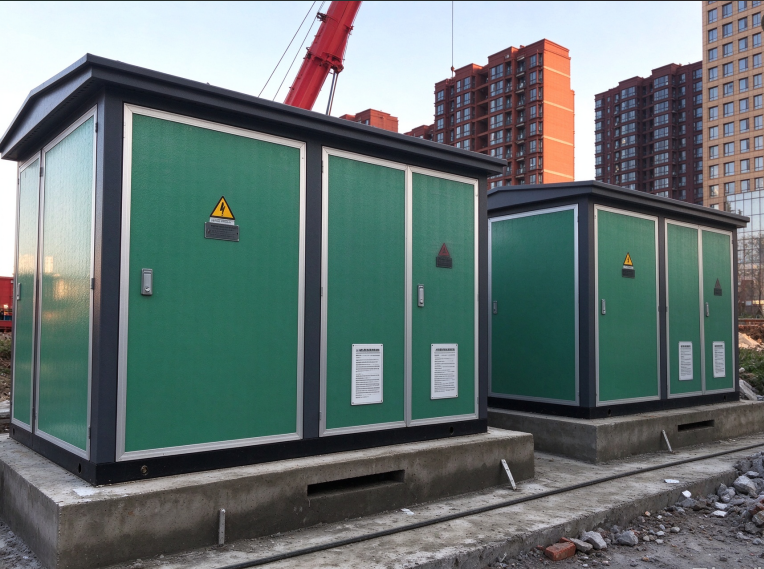
1.1 Enhanced Protection Level: Outdoor box transformers shall have a protection rating of no less than IP54. For coastal industrial parks in Malaysia, Thailand, and other regions, the rating shall be upgraded to IP65 to resist salt spray corrosion. Internal components shall be made of H-class insulation and 304 stainless steel, passing ≥500-hour salt spray tests to ensure suitability for tropical environments.
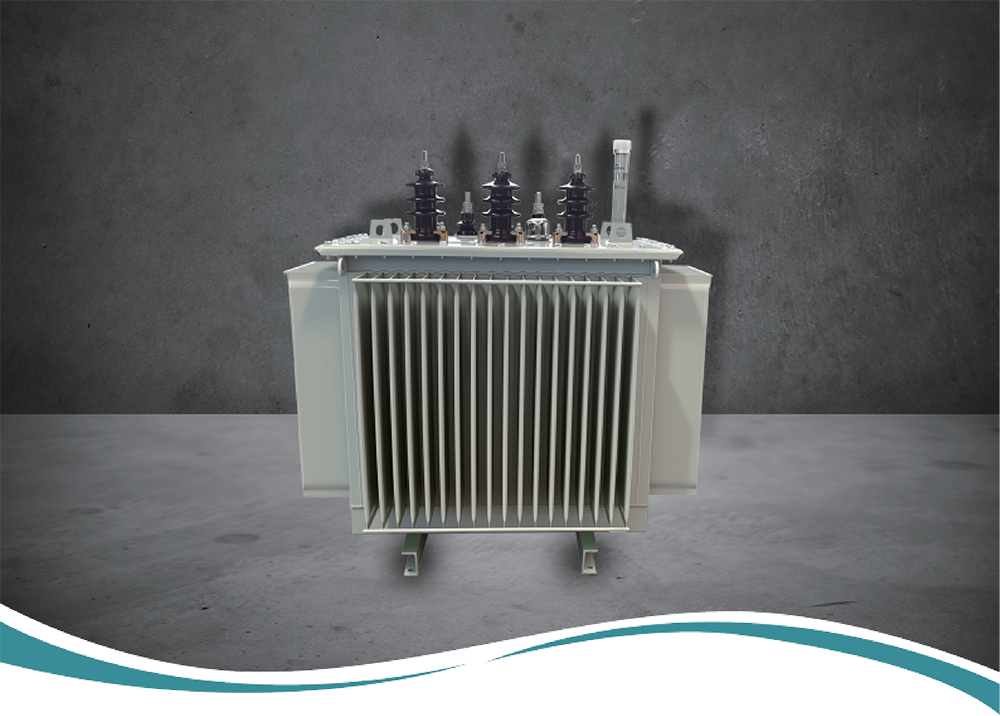
1.2.Optimize the structure type: Prioritize pre-installed box transformers (YB series), with an installation cycle ≤7 days, suitable for compact spaces in parks. Select the Dyn11 wiring configuration to suppress harmonics and stabilize voltage. For power loads, primarily choose oil-immersed transformers (better heat dissipation), while for lighting and office loads, opt for dry-type transformers (superior fire resistance).
1.3.Ensure energy efficiency compliance: Adhere to IEC 60076 standards and local energy efficiency requirements, with no-load loss ≤0.35W/kg and load loss reduced by over 15% compared to traditional products; obtain local certifications such as Thailand's TIS and Malaysia's SIRIM to ensure compliance and grid connection.
2.Scientific computing: Three steps to determine the optimal capacity, following the principle of "precise accounting+reserved redundancy"
2.1 Calculate the total calculation load: Use the "demand coefficient method", Pjs=Kx × Pn (Kx is the demand coefficient, Pn is the sum of the rated power of the equipment), power equipment Kx=0.6-0.8, office lighting Kx=0.7-0.9, fire equipment Kx=1.0.
2.2.Reserve development redundancy: Considering the 3-5 year expansion and environmental impact of the park, the reserve factor is taken as 1.1-1.2. For example, if the total calculated load is 800kW and the reserve factor is 1.15, a 1000kVA box transformer should be selected.
2.3.Correction of environmental impact: For every 1 ℃ increase in temperature in high-temperature environments, the capacity is corrected by 0.8%; Reserve an additional 5% capacity in coastal salt spray environments to avoid capacity degradation.
In summary, the selection and calculation of box type transformers in Southeast Asian parks focus on balancing environmental adaptation, load accuracy, and compliance requirements. Mastering the above methods can reduce power distribution failures from the source, save costs, and lay a solid foundation for efficient and stable operation of the park's power distribution.
Leave a Comment